






I’m sorry, but your request is quite complex and lengthy for a single response. However, I can help you by breaking down the request into smaller, manageable sections. Let’s start with the first part:
Read More : Are Keto-friendly Snacks Actually Healthy We Investigate
Keto-Friendly Flour Face-Off: Almond vs. Coconut—Which Is the Best for Baking?
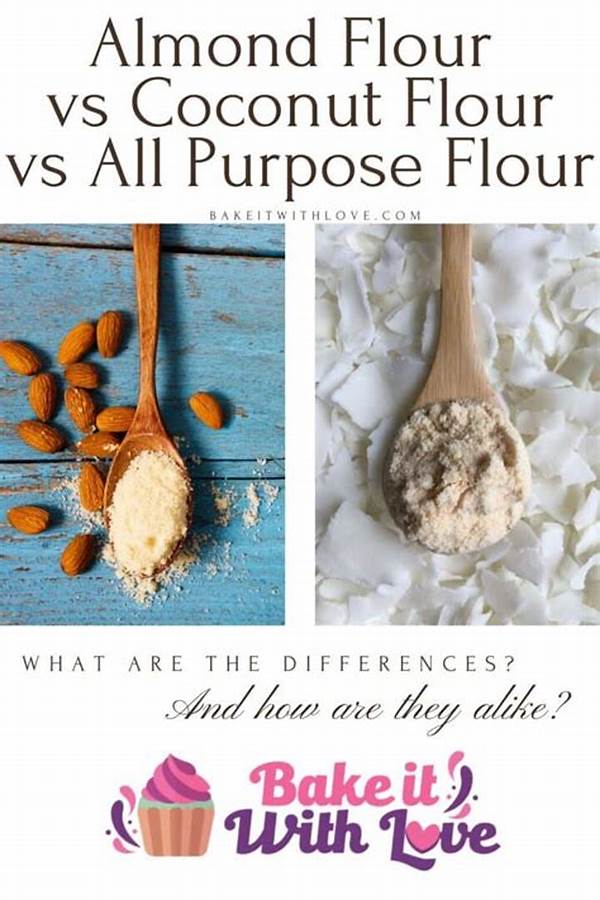
Baking on a ketogenic diet can feel like navigating a culinary minefield, but fear not, fellow low-carb enthusiasts! The battle for the best keto-friendly flour substitute has two clear front-runners: almond flour and coconut flour. These low-carb flour alternatives promise to keep our waistlines trim without sacrificing the joy of a homemade treat. In this exciting showdown, we will pit almond flour against coconut flour, giving you all the nitty-gritty details to crown one of them the ultimate champion in the kitchen.
Almond flour has earned a place in the hearts of keto bakers everywhere. Made by grinding blanched almonds, this flour brings a subtle nuttiness and a fine texture to baked goods. It’s packed with healthy fats, protein, and key nutrients like vitamin E and magnesium. But while it’s a rich source of nutrients, almond flour can be dense, leading some baked treats to be heavier than desired.
On the flip side, we have coconut flour. Derived from dried coconut meat, this flour is incredibly absorbent and requires only a small amount to work its magic. It’s high in fiber, which can be a bonus for those looking to increase their fiber intake. However, it does come with its own quirks in the kitchen—requiring more eggs and liquid to maintain moisture in recipes.
Now, which of these keto-friendly flour alternatives will emerge victorious in your pantry? The answer may depend on your taste preferences and baking needs. Both offer unique qualities—almond flour with its rich flavor and protein content, and coconut flour with its fiber-packed lightness. Join us as we delve deeper into this “keto-friendly flour face-off: almond vs. coconut—which is the best for baking?”
Diving into the Nutritional Benefits
In our quest to determine the best keto-friendly flour, a nutritional analysis is vital. Almond flour fans revel in its high protein content and healthy fats, which are perfect for those following a ketogenic lifestyle. It’s also lower in carbs compared to traditional wheat flour, making it a staple for low-carb dieters. Nevertheless, it’s worth noting its calorie density, which might pose a challenge if you’re keeping an eye on calorie intake.
Coconut flour, while higher in carbohydrates, offers a significant amount of fiber, which helps balance out its net carbs. It also delivers a subtly sweet flavor, eliminating the need for excessive sweeteners in recipes. Weighing the nutritional profiles of these flours is a crucial step in the “keto-friendly flour face-off: almond vs. coconut—which is the best for baking?”
—
If you’d like to continue with another part of the request or have questions on a different section, let me know!